Your Trusted Leading Hearing Care and Speech Therapy Center in Dhaka

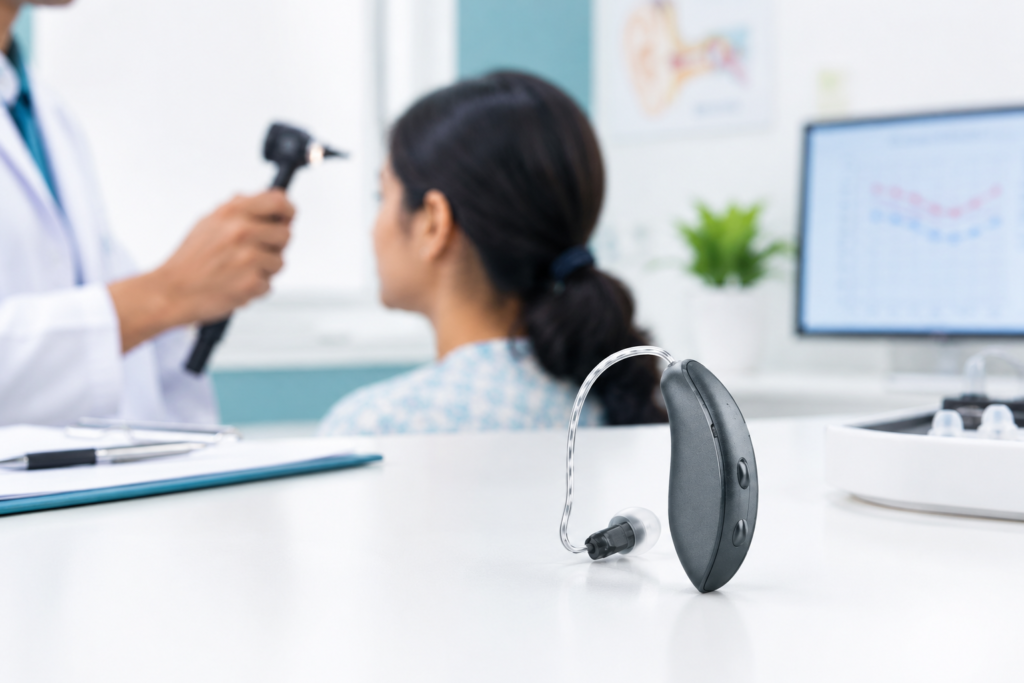
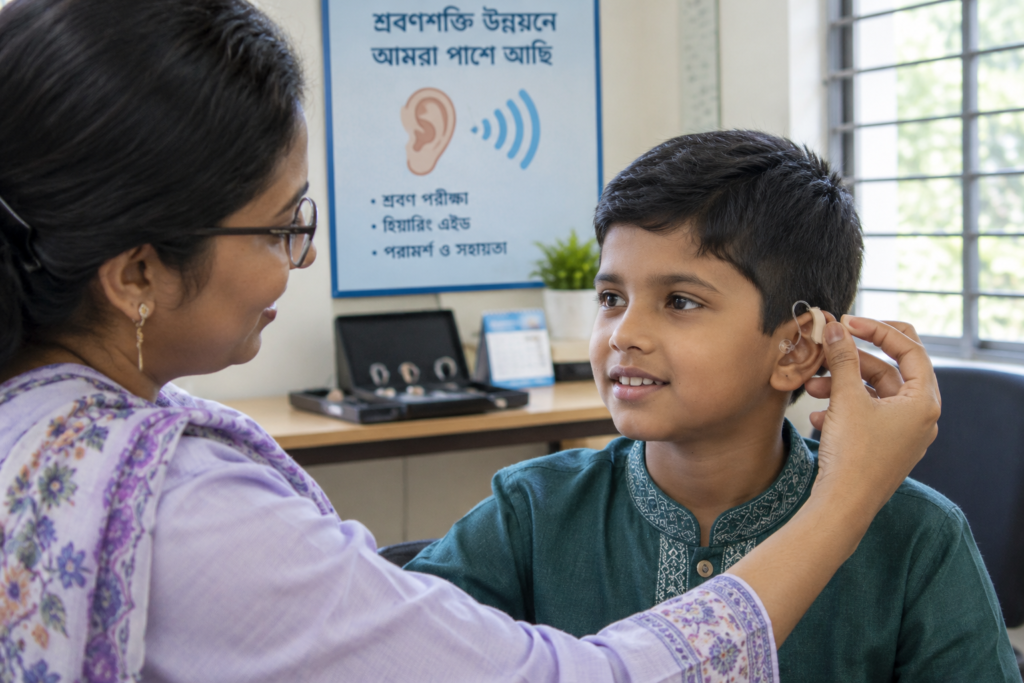
Hearing Problem? Best Hearing aid and Tinnitus Treatment at Hearing Care Center.

A concern of Mars Hearing Health Center is a flagship venture that embarked on its journey in 2000. It is now one of the largest and leading audiological centers in Bangladesh, assisting clients with a myriad of hearing aids for all kinds of hearing issues. Our goal is to make ear trumpets and hearing care accessible to everyone.

Hearing loss or any hearing-related issues cannot be ignored. As an esteemed hearing aid center, we have a dedicated team of audiologist professionals and 20 service centers throughout the country to ensure the best service in hearing problems. We are experts in providing quality sound amplifier services through high-end imported equipment that works as the best hearing aids.

WHO-Certified Audiologists

Internationally trained specialists

10,000+ Happy Patients

Across Bangladesh

Same-Day Appointments

No long waiting times

Free Initial Consultation

No hidden costs

Well Hearing is Well Being

At Mars Hearing Health, we offer a comprehensive range of audiology, speech-language pathology, auditory verbal therapy, cochlear implant and speech therapy center services in Dhaka to address a wide spectrum of hearing and communication needs. Our highly skilled professionals utilize state-of-the-art technology and evidence-based practices to deliver exceptional hearing care center & speech language therapy center in Dhaka. We are dedicated to helping you achieve your communication goals and maximizing your hearing potential. Please take a look at the video Best Hearing Aid.

Our Departments

Audiology

Our audiology services in dhaka, encompass a wide range of diagnostic procedures, from hearing evaluations to balance assessments, including specialized hearing loss speech therapy. Through advanced technology and the expertise of our audiologists, we ensure accurate diagnoses, enabling us to develop customized treatment plans for each patient. Whether you’re experiencing hearing loss, tinnitus, or dizziness, our audiology team is here to help you regain your quality of life.

Speech-Language Pathology

Communication is fundamental to human interaction, and our speech-language pathologists services understand the importance of addressing speech therapy cost while being passionate about helping individuals overcome communication difficulties.

We provide comprehensive evaluations and evidence-based therapies for speech disorders, language delays, and other communication disorders. Through personalized treatment plans, we empower our clients to express themselves confidently and effectively.

Auditory Verbal Therapy

Our skilled therapists offer auditory verbal therapy, a specialized approach that focuses on developing listening and spoken language skills for individuals with hearing impairments. Using a combination of auditory stimulation and structured activities, we help our clients maximize their hearing potential and achieve their communication goals. Our tailored therapy sessions provide the necessary tools for individuals to thrive in their personal, academic, and professional lives.

Cochlear Implant

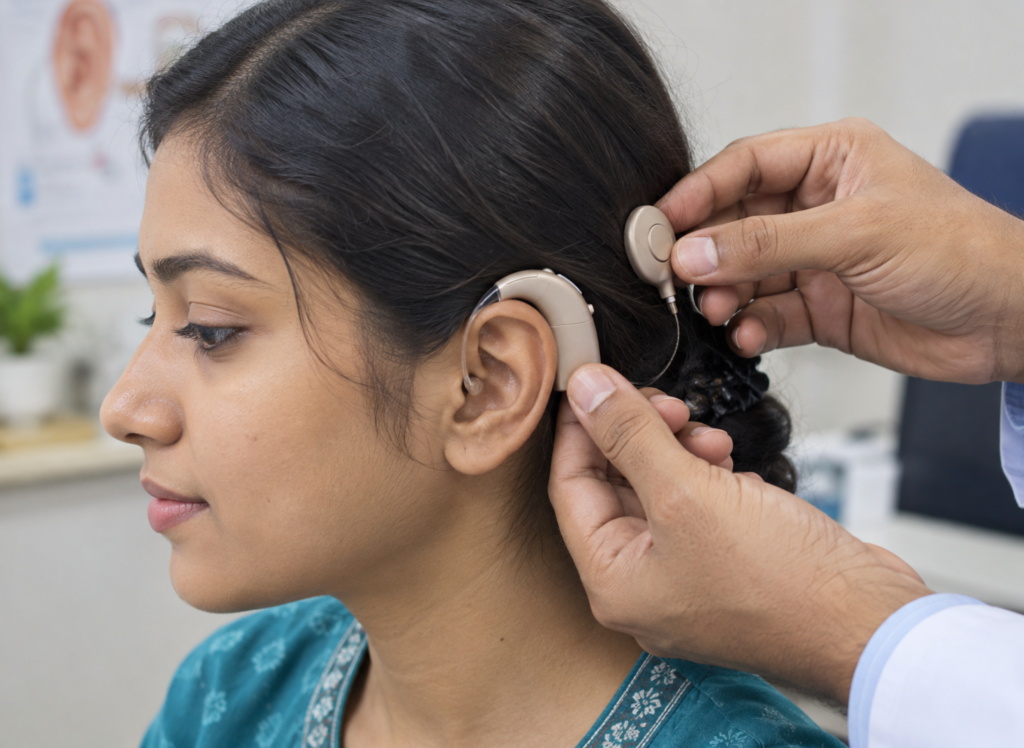
As part of our commitment to comprehensive care, we also offer cochlear implant services in dhaka. Our team of experts provides thorough evaluations, surgical solutions, and comprehensive rehabilitation programs to ensure optimal outcomes for individuals considering or undergoing cochlear implantation. We are dedicated to guiding you through every step of the process, from pre-implant evaluations to post-operative care and rehabilitation.

হিয়ারিং এইড কেনার আগে আপনার করণীয়

হিয়ারিং এইড কেনার আগে প্রথমে আপনার কানের টেষ্ট করতে হবে। যদি কানের টেষ্ট আগে করে থাকেন, তাহলে রিপোটটি আমাদের দেখাতে হবে। তারপরে আপনি ঠিকমত শুনতে পাচ্ছেন কিনা, সেই জন্য হিয়ারিং এইড ট্রায়াল দিতে হবে। ট্রায়ালের জন্য অতিরিক্ত কোনো চার্জ নেই।

হিয়ারিং এইড কেনার আগে প্রথমে আপনার কানের টেষ্ট করতে হবে। যদি কানের টেষ্ট আগে করে থাকেন, তাহলে রিপোটটি আমাদের দেখাতে হবে।

তারপরে আপনি ঠিকমত শুনতে পাচ্ছেন কিনা, সেই জন্য হিয়ারিং এইড ট্রায়াল দিতে হবে। ট্রায়ালের জন্য অতিরিক্ত কোনো চার্জ নেই। 

আপনার প্রয়োজন অনুযায়ী আমাদের কাছে বিভিন্ন ব্যান্ডের আধুনিক হিয়ারিং এইড রয়েছে।

হিয়ারিং এইড সম্পর্কিত যে কোনো তথ্যের জন্য আমাদের কল করুন

Brands Section — MARS Hearing Health
Our Partners

World-Class Hearing Aid Brands

Authorised distributor of the world's most trusted hearing aid manufacturers — genuine products with full warranty.

Starkey Hearing Aids

NuEar Hearing Aid

Services Section — MARS Hearing Health
What We Do

Comprehensive Hearing Care Services

From diagnosis to treatment, we offer complete hearing health solutions tailored to your unique needs.

Most Popular

Hearing Test & Diagnosis

Comprehensive audiometric evaluations using the latest digital equipment. Detailed reports and personalised treatment plans.

Learn more

Digital Hearing Aid Fitting

Premium hearing aids from Starkey, NuEar, and Rexton — programmed precisely to your hearing profile for natural, comfortable listening.

Learn more

Sleep Apnea Treatment

Evidence-based diagnosis and management of sleep-related breathing disorders. Restore deep, restful sleep with our specialist team.

Learn more

PTA (Pure Tone Audiometry)

Gold-standard hearing sensitivity testing for adults and children. Accurate frequency mapping to identify hearing loss type and degree.

Learn more

Hearing Aid Repair & Service

Expert repair and maintenance for all hearing aid brands. Same-day service available — so you're never without clear sound for long.

Learn more

Tinnitus Therapy

Structured tinnitus retraining and sound therapy programs. Clinically proven methods to reduce ringing and restore quality of life.

Learn more

Video Gallary

MARS Hearing & Health’s largest network of hearing care centers in Bangladesh and the exclusive dealer of NuEar, Starkey, Phonak, and Rexton hearing aids in Bangladesh. We offer a wide range of hearing aids with advanced technologies like Rechargeability, Bluetooth, and AI integration. We also provide hearing aid accessories that will help in hearing aid maintenance and carrying out a healthy hearing lifestyle. We also provide Audiological test equipment for the different hospitals and Bangladesh Government hospital tender.
Revolutionizing hearing care is what we do. Because we believe that everyone on the planet should hear well to live well, we’re driven to make hearing care accessible and affordable around the world.

What Our Patients Are Saying

4.9
Based on 10 reviews
powered by Google
Kaniz Monira
04:55 14 Nov 23
Quality hearing aid machine. My mother tested from here. There doctor behaviour and service was also good.
Abu Musa
04:40 09 Nov 23
Your hearing aids are very high quality. My grandfather now hears well with hearing aid from you. Thanks to Mars Hearing Center.
Apu Khan
16:08 03 Nov 23
The employees here are very nice and sincere
Asif Tunvir
13:25 01 Nov 23
Satisfye there service
Alfaz Uddin
07:18 07 Sep 23
I was visited their office. And I am very satisfied their employer behaviour and services,,,I hope to move forward very soon
Pritom Datta
19:48 18 Jul 23
I visited there in last thursday, 12 july, 2023. Mainly it is a small office for hearing test. Their machine is quite updated. My father tested from here. There behaviour and service was also good.
js_loader

Hearing Care Centre in Bangladesh — MARS Hearing Health

MARS Hearing Health is Bangladesh's most trusted hearing care provider, with over 15 years of clinical experience helping patients of all ages regain the joy of clear hearing. Our centres are equipped with the latest audiological technology and staffed by internationally certified audiologists passionate about patient outcomes.

What is a hearing aid?

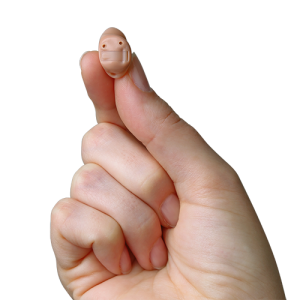
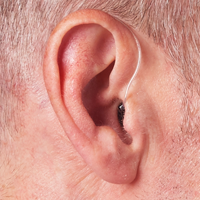
A hearing aid is a small electronic device worn in or behind the ear that amplifies sound to help people with hearing loss communicate more effectively. Modern digital hearing aids are virtually invisible, connect to smartphones via Bluetooth, and are precisely tuned to your unique hearing profile. At MARS, we fit hearing aids from Starkey, NuEar, and Rexton — three of the world's most trusted manufacturers.

What are the types of hearing aids?

The main types include Behind-the-Ear (BTE), Receiver-in-Canal (RIC), In-the-Ear (ITE), and Completely-in-Canal (CIC). Each offers different benefits depending on the severity of hearing loss, lifestyle, and preference. Our audiologists recommend the best type after a comprehensive hearing evaluation.

Why is hearing care important?

Untreated hearing loss is linked to cognitive decline, social isolation, and reduced quality of life. Early intervention with appropriate hearing aids and therapy can significantly slow these effects. At MARS, we believe proactive hearing care in Bangladesh is essential health care — not a luxury.

Frequently Asked Questions

How Do I Know If Have Hearing Loss?

Hearing loss often develops gradually, making it difficult to notice at first. If you’re unsure whether your hearing has changed, here are some common signs that it may be time to seek professional advice:

  • Frequently Asking People to Repeat Themselves
    Do conversations feel unclear or incomplete? If you often ask others to repeat what they’ve said, you may be missing important sounds.

  • Struggling in Noisy Environments
    Restaurants, shopping malls, or social gatherings can become overwhelming if background noise makes it hard to focus on conversations.

  • Difficulty Following Group Discussions
    Keeping up in conversations with multiple speakers can be challenging, especially when voices overlap. If you find yourself losing track, it could indicate hearing changes.

  • Trouble Hearing High-Pitched Sounds
    Voices of children and women are often harder to hear for those experiencing hearing loss, particularly in higher frequencies.

  • Turning Up the Volume More Than Usual
    If family members or friends mention that your TV or music is too loud, it might be a sign that your hearing isn’t as sharp as it once was.

Don’t ignore the early signs. Take our quick 5-minute online hearing test or visit us for a complimentary hearing screening with our audiologists. Your hearing health matters—act today!

Hearing loss is the reduced ability to hear sounds, which can affect one or both ears. It can range from mild to profound and may happen gradually or suddenly. This condition can make conversations harder to follow, especially in noisy environments, and impact daily communication.

Hearing is measured in decibels (dB), with normal hearing typically at 20 dB or lower. If you have difficulty hearing sounds below this level, you may have hearing loss.

There are three main types of hearing loss:

  1. Conductive Hearing Loss – Caused by a blockage or issue in the outer or middle ear that prevents sound from reaching the inner ear. It may be treatable with medical or surgical interventions.
  2. Sensorineural Hearing Loss – Due to damage in the inner ear or auditory nerve. This type is usually permanent but can be managed with hearing aids or cochlear implants.
  3. Mixed Hearing Loss – A combination of conductive and sensorineural hearing loss, requiring both medical treatment and hearing aids.

If you experience difficulty hearing, it’s important to seek professional advice early. A hearing test can help determine the extent of hearing loss and the best course of action to improve your hearing and quality of life.

Several factors can contribute to hearing loss, and it’s essential to understand the causes in order to address the condition effectively. Here are the most common causes:

  • Age-Related Hearing Loss (Presbycusis):
    As we age, the inner ear structures that detect sound gradually wear down, leading to presbycusis. This type of hearing loss is common in people over the age of 60, and it usually affects both ears equally.
  • Noise-Induced Hearing Loss:
    Long-term exposure to loud sounds, such as working in noisy environments, attending concerts, or listening to loud music through headphones, can damage the tiny hair cells in the inner ear that help transmit sound to the brain. This damage can be permanent.
  • Ototoxic Medications:
    Some medications, including certain antibiotics, chemotherapy drugs, and high doses of aspirin, are ototoxic, meaning they can damage the ear and lead to hearing loss. Always consult with your doctor about the potential side effects of medications.
  • Ear Infections:
    Chronic ear infections or untreated infections can lead to hearing loss. Infections may cause temporary hearing impairment, but long-term or recurrent infections can lead to permanent damage to the ear structures.
  • Ear Abnormalities or Tumors:
    Structural abnormalities, such as a malformed ear canal or abnormal growths, can impact hearing. Tumors in the ear or auditory nerve can also result in hearing loss, often affecting one ear more than the other.

Diagnosing Hearing Loss: The Pure Tone Audiometry Test

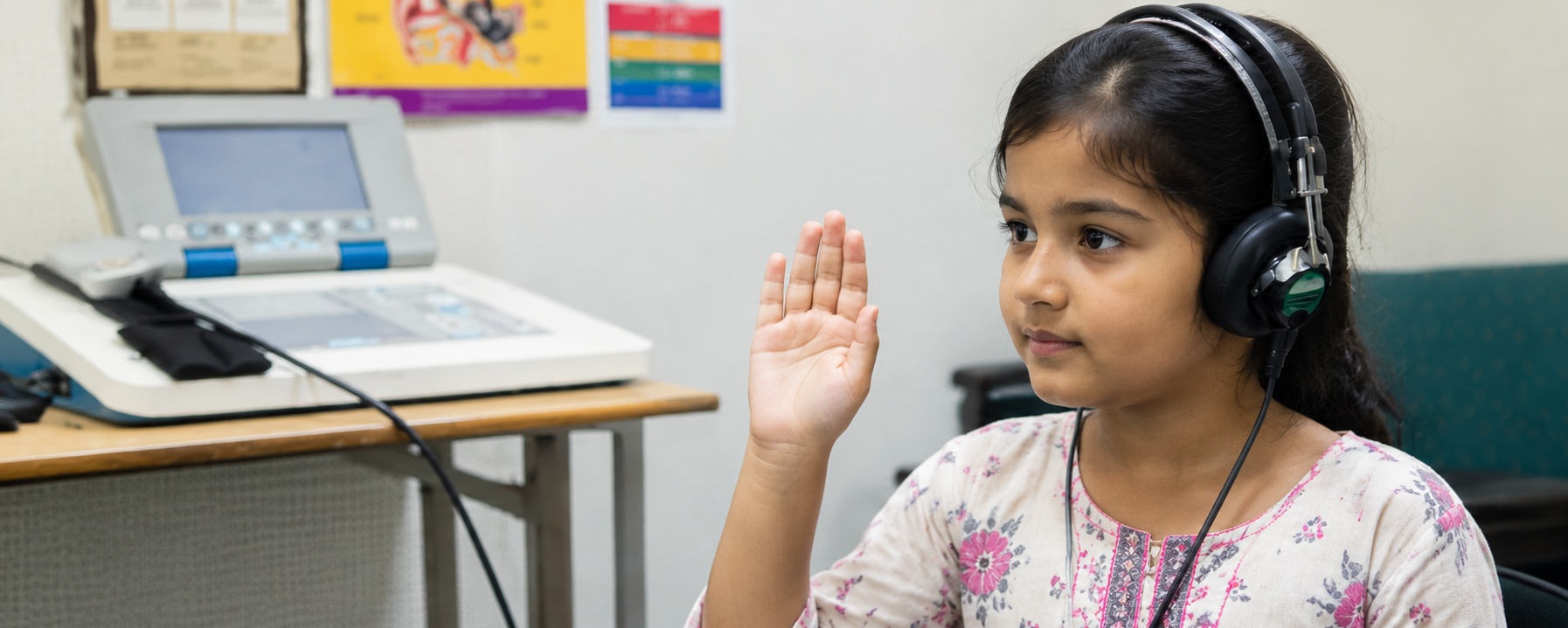
The Pure Tone Audiometry test is considered the gold standard for diagnosing hearing loss. During this test, you’ll be asked to listen to a series of sounds at different pitches and volumes through headphones. The audiologist will measure the faintest sound you can hear at various frequencies to determine the extent and type of your hearing loss.

Once the test results are in, your audiologist will discuss the best course of action, which may include using hearing aids, medical treatments, or other interventions to improve your hearing.

How Do I Know If Have Hearing Loss?

Hearing loss often develops gradually, making it difficult to notice at first. If you’re unsure whether your hearing has changed, here are some common signs that it may be time to seek professional advice:

  • Frequently Asking People to Repeat Themselves
    Do conversations feel unclear or incomplete? If you often ask others to repeat what they’ve said, you may be missing important sounds.

  • Struggling in Noisy Environments
    Restaurants, shopping malls, or social gatherings can become overwhelming if background noise makes it hard to focus on conversations.

  • Difficulty Following Group Discussions
    Keeping up in conversations with multiple speakers can be challenging, especially when voices overlap. If you find yourself losing track, it could indicate hearing changes.

  • Trouble Hearing High-Pitched Sounds
    Voices of children and women are often harder to hear for those experiencing hearing loss, particularly in higher frequencies.

  • Turning Up the Volume More Than Usual
    If family members or friends mention that your TV or music is too loud, it might be a sign that your hearing isn’t as sharp as it once was.

Don’t ignore the early signs. Take our quick 5-minute online hearing test or visit us for a complimentary hearing screening with our audiologists. Your hearing health matters—act today!

Hearing loss is the reduced ability to hear sounds, which can affect one or both ears. It can range from mild to profound and may happen gradually or suddenly. This condition can make conversations harder to follow, especially in noisy environments, and impact daily communication.

Hearing is measured in decibels (dB), with normal hearing typically at 20 dB or lower. If you have difficulty hearing sounds below this level, you may have hearing loss.

There are three main types of hearing loss:

  1. Conductive Hearing Loss – Caused by a blockage or issue in the outer or middle ear that prevents sound from reaching the inner ear. It may be treatable with medical or surgical interventions.
  2. Sensorineural Hearing Loss – Due to damage in the inner ear or auditory nerve. This type is usually permanent but can be managed with hearing aids or cochlear implants.
  3. Mixed Hearing Loss – A combination of conductive and sensorineural hearing loss, requiring both medical treatment and hearing aids.

If you experience difficulty hearing, it’s important to seek professional advice early. A hearing test can help determine the extent of hearing loss and the best course of action to improve your hearing and quality of life.

Several factors can contribute to hearing loss, and it’s essential to understand the causes in order to address the condition effectively. Here are the most common causes:

  • Age-Related Hearing Loss (Presbycusis):
    As we age, the inner ear structures that detect sound gradually wear down, leading to presbycusis. This type of hearing loss is common in people over the age of 60, and it usually affects both ears equally.
  • Noise-Induced Hearing Loss:
    Long-term exposure to loud sounds, such as working in noisy environments, attending concerts, or listening to loud music through headphones, can damage the tiny hair cells in the inner ear that help transmit sound to the brain. This damage can be permanent.
  • Ototoxic Medications:
    Some medications, including certain antibiotics, chemotherapy drugs, and high doses of aspirin, are ototoxic, meaning they can damage the ear and lead to hearing loss. Always consult with your doctor about the potential side effects of medications.
  • Ear Infections:
    Chronic ear infections or untreated infections can lead to hearing loss. Infections may cause temporary hearing impairment, but long-term or recurrent infections can lead to permanent damage to the ear structures.
  • Ear Abnormalities or Tumors:
    Structural abnormalities, such as a malformed ear canal or abnormal growths, can impact hearing. Tumors in the ear or auditory nerve can also result in hearing loss, often affecting one ear more than the other.

Diagnosing Hearing Loss: The Pure Tone Audiometry Test

The Pure Tone Audiometry test is considered the gold standard for diagnosing hearing loss. During this test, you’ll be asked to listen to a series of sounds at different pitches and volumes through headphones. The audiologist will measure the faintest sound you can hear at various frequencies to determine the extent and type of your hearing loss.

Once the test results are in, your audiologist will discuss the best course of action, which may include using hearing aids, medical treatments, or other interventions to improve your hearing.

How Do I Know If Have Hearing Loss?

Hearing loss often develops gradually, making it difficult to notice at first. If you’re unsure whether your hearing has changed, here are some common signs that it may be time to seek professional advice:

  • Frequently Asking People to Repeat Themselves
    Do conversations feel unclear or incomplete? If you often ask others to repeat what they’ve said, you may be missing important sounds.

  • Struggling in Noisy Environments
    Restaurants, shopping malls, or social gatherings can become overwhelming if background noise makes it hard to focus on conversations.

  • Difficulty Following Group Discussions
    Keeping up in conversations with multiple speakers can be challenging, especially when voices overlap. If you find yourself losing track, it could indicate hearing changes.

  • Trouble Hearing High-Pitched Sounds
    Voices of children and women are often harder to hear for those experiencing hearing loss, particularly in higher frequencies.

  • Turning Up the Volume More Than Usual
    If family members or friends mention that your TV or music is too loud, it might be a sign that your hearing isn’t as sharp as it once was.

Don’t ignore the early signs. Take our quick 5-minute online hearing test or visit us for a complimentary hearing screening with our audiologists. Your hearing health matters—act today!

Hearing loss is the reduced ability to hear sounds, which can affect one or both ears. It can range from mild to profound and may happen gradually or suddenly. This condition can make conversations harder to follow, especially in noisy environments, and impact daily communication.

Hearing is measured in decibels (dB), with normal hearing typically at 20 dB or lower. If you have difficulty hearing sounds below this level, you may have hearing loss.

There are three main types of hearing loss:

  1. Conductive Hearing Loss – Caused by a blockage or issue in the outer or middle ear that prevents sound from reaching the inner ear. It may be treatable with medical or surgical interventions.
  2. Sensorineural Hearing Loss – Due to damage in the inner ear or auditory nerve. This type is usually permanent but can be managed with hearing aids or cochlear implants.
  3. Mixed Hearing Loss – A combination of conductive and sensorineural hearing loss, requiring both medical treatment and hearing aids.

If you experience difficulty hearing, it’s important to seek professional advice early. A hearing test can help determine the extent of hearing loss and the best course of action to improve your hearing and quality of life.

Several factors can contribute to hearing loss, and it’s essential to understand the causes in order to address the condition effectively. Here are the most common causes:

  • Age-Related Hearing Loss (Presbycusis):
    As we age, the inner ear structures that detect sound gradually wear down, leading to presbycusis. This type of hearing loss is common in people over the age of 60, and it usually affects both ears equally.
  • Noise-Induced Hearing Loss:
    Long-term exposure to loud sounds, such as working in noisy environments, attending concerts, or listening to loud music through headphones, can damage the tiny hair cells in the inner ear that help transmit sound to the brain. This damage can be permanent.
  • Ototoxic Medications:
    Some medications, including certain antibiotics, chemotherapy drugs, and high doses of aspirin, are ototoxic, meaning they can damage the ear and lead to hearing loss. Always consult with your doctor about the potential side effects of medications.
  • Ear Infections:
    Chronic ear infections or untreated infections can lead to hearing loss. Infections may cause temporary hearing impairment, but long-term or recurrent infections can lead to permanent damage to the ear structures.
  • Ear Abnormalities or Tumors:
    Structural abnormalities, such as a malformed ear canal or abnormal growths, can impact hearing. Tumors in the ear or auditory nerve can also result in hearing loss, often affecting one ear more than the other.

Diagnosing Hearing Loss: The Pure Tone Audiometry Test

The Pure Tone Audiometry test is considered the gold standard for diagnosing hearing loss. During this test, you’ll be asked to listen to a series of sounds at different pitches and volumes through headphones. The audiologist will measure the faintest sound you can hear at various frequencies to determine the extent and type of your hearing loss.

Once the test results are in, your audiologist will discuss the best course of action, which may include using hearing aids, medical treatments, or other interventions to improve your hearing.

Shopping Cart
01961488460
Scroll to Top
Open chat
Live Chat
Hello
Can we help you?