When hearing health professionals determine that your child’s hearing aids are no longer effective, it is time to consider a cochlear implant to help restore their hearing.
Cochlear implants are currently the only medical solution able to functionally restore one of the five senses, which is why many physicians refer to them as “technological miracles.”
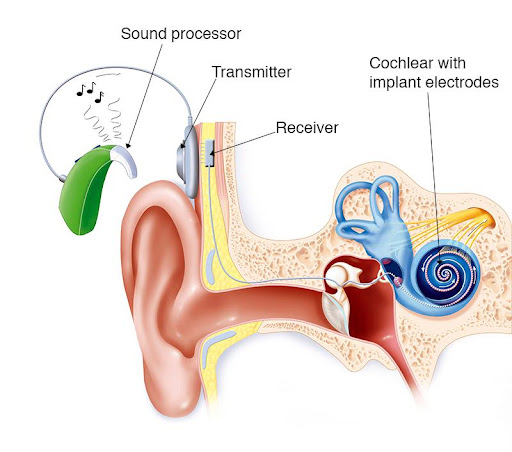
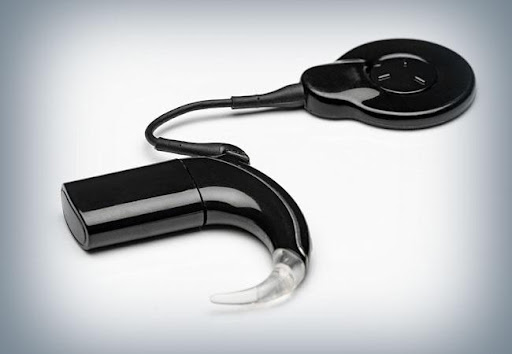
A Cochlear implant consists of two main components – an internal implant and an external sound processor. Unlike hearing aids, which amplify sound, a cochlear implant bypasses a damaged portion of the ear to deliver sound signals to the hearing (auditory) nerve.
Cochlear implant systems are a sophisticated technology designed to mimic natural hearing for those with significant hearing loss. Most cochlear implant recipients demonstrate improvement in their ability to understand speech, even in noisy environments, compared to hearing-aid wearers who have significant hearing loss.
How Cochlear Implant Is Different from Hearing Aids?

Your child’s hearing loss means that a portion of the ear is not functioning appropriately. Often, a hearing aid can compensate for the loss by making sounds louder and easier to hear. However, when the hearing loss is severe, making sounds louder may not be enough.
Cochlear implants are the standard treatment for children with severe-to-profound hearing loss. These devices make sounds easier to understand. They bypass the damaged portion of the cochlea and stimulate the hearing nerve to provide your child with the clarity of sound and speech they need to understand anything around them.
How a Cochlear Implant Works?
A cochlear implant uses a sound processor that you wear behind your ear. A transmitter sends sound signals to a receiver and stimulator implanted under the skin, which stimulate the auditory nerve with electrodes that have been placed in the cochlea.